Browse

Log in / Register
 Share

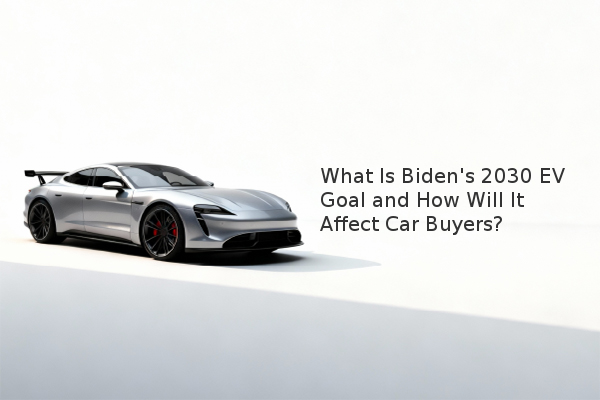
President Biden's executive order sets a target for 50% of new U.S. car sales to be zero-emission vehicles by 2030, a goal supported by major automakers but dependent on consumer adoption and infrastructure growth. This non-binding agreement covers battery-electric, plug-in hybrid, and fuel-cell electric vehicles, signaling a significant shift in the American automotive landscape. For car shoppers, this policy accelerates the transition to electrification, making understanding EV options, incentives, and charging logistics more critical than ever.
The White House's definition of "zero-emission vehicles" is crucial for understanding the scope of the goal. It encompasses three main types of electrified vehicles:
A key driver behind this goal is the rapidly declining cost of technology. The White House noted that battery-pack costs have fallen 85% since 2010, making EVs more financially viable for both automakers and consumers.
The 2030 goal is bolstered by public commitments from a broad coalition of automakers. While the agreement is not legally binding, their statements indicate a shared direction for the industry.
This collective ambition suggests that consumers can expect a flood of new electric models across various segments and price points in the coming years, increasing choice and competition.
Automaker aspirations are one thing, but consumer adoption is the true key to achieving the 50% target. Current data shows a significant gap between interest and ownership.
A Pew Research survey from June 2021 highlighted the challenge:
This indicates a substantial potential market, but also the need for continued education on EV benefits, addressing range anxiety, and expanding the public charging infrastructure to convince a broader audience.
For anyone planning to buy a car in the next decade, this policy and industry shift have real-world implications. Based on our assessment experience, here’s what car buyers should consider:
The 2030 target is an ambitious deployment goal that aligns government policy with industry investment. While challenges remain, it firmly sets the course for an electric future, making it essential for consumers to become informed about electric vehicles today.