Browse

Log in / Register
 Share

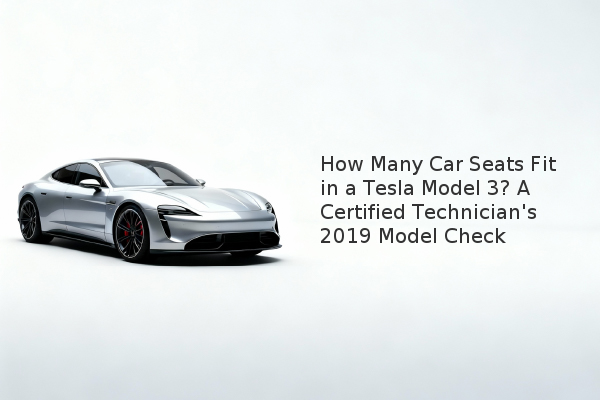
Based on our assessment of the 2019 Tesla Model 3, the vehicle can comfortably and securely fit two car seats, but attempting to install three is not recommended. The sedan's LATCH system (Lower Anchors and Tethers for CHildren) is accessible, though installation ease varies by seat type. This objective analysis, conducted by certified child safety seat technicians, breaks down the exact fit for infant, convertible, and booster seats.
The LATCH system is a standardized method for installing child safety seats without using the vehicle's seat belt. In the 2019 Tesla Model 3, you will find two sets of lower anchors in the outboard rear seats and three top tether anchors on the rear shelf. Our technicians noted that while the lower anchors aren't deeply set, the stiff seat upholstery required some extra force to connect, especially with thinner, hook-like connectors found on some infant seats. The tether anchors, however, are clearly marked and easy to use.
A rear-facing convertible seat earned a top score for its fit in the Model 3. There was ample room, and the installation was straightforward. The chunkier, more rigid connectors on convertible seats connected to the lower LATCH anchors with significantly less effort than the infant seat. This makes the Model 3 a good candidate for the long-term use of a convertible seat, which transitions from rear-facing to forward-facing.
Installing an infant seat is feasible but requires more effort during the LATCH connection process. The seat itself had plenty of space, but the technicians needed to use a bit of muscle to connect the seat's thin, hooklike connectors to the lower anchors due to the stiff seat material. Once installed, the fit is secure, but the initial setup can be challenging compared to some other vehicles.
A forward-facing convertible seat installs easily, but the fixed head restraint presents a minor issue. The restraint pushed the car seat forward, preventing it from sitting completely flush against the vehicle's seatback. While the installation is still secure, a flush fit is considered ideal for optimal safety.
The Model 3 works well with a high-back booster seat. The fixed head restraint did not interfere with the booster's fit. However, parents should note that the seat belt buckles are flush with the seat-bottom cushion. This design could make it difficult for children to locate and fasten the seat belt independently.
The clear verdict is no; the 2019 Tesla Model 3 is not well-suited for three car seats. During testing, technicians attempted to install a booster, an infant seat, and a forward-facing convertible in the second row. The configuration was too narrow for three seats to fit properly and safely. Furthermore, a child in the booster seat would likely struggle to reach the buried seat belt buckles.
For eco-conscious families, the 2019 Tesla Model 3 is a viable option for transporting children, with some important considerations:
Ultimately, while the Tesla Model 3 excels in technology and design, its car seat compatibility is fairly ordinary. It reliably accommodates two child seats but falls short as a three-seat option.