Browse

Log in / Register
 Share

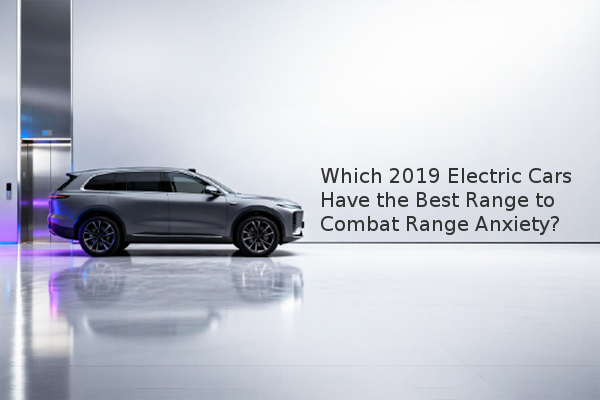
The 2019 Tesla Model S 100D offers the longest driving range of any electric vehicle (EV) from that model year at 335 miles, according to the EPA's Fuel Economy Guide. While a strong economy and low gas prices might make EVs seem less urgent, advancements from Tesla and other automakers have made them a serious alternative. For potential buyers, range anxiety—the fear of running out of battery power before reaching a charging point—is often the primary concern. This guide organizes the top-performing 2019 EVs by their EPA-estimated range to provide a clear, practical resource for your shopping journey.
Range anxiety is the common concern among EV shoppers about the vehicle's battery depleting before a destination or charging station is reached. It stems from the early days of EVs when ranges were short and public charging infrastructure was sparse. While charging networks have expanded significantly, this anxiety remains a key psychological barrier. The EPA's range estimate, measured in miles, is a standardized benchmark that helps consumers compare vehicles objectively. It's more directly relevant for trip planning than mpg-equivalent (MPGe), which is a measure of a vehicle's efficiency in converting electrical energy to distance, similar to miles per gallon for gasoline cars.
For drivers with long commutes or who frequently take road trips, exceeding 250 miles of range was a significant milestone in 2019. The vehicles that achieved this offered a level of practicality that began to directly compete with many gasoline-powered cars.
| Model & Trim | EPA-Estimated Range |
|---|---|
| Tesla Model S 100D | 335 miles |
| Tesla Model 3 Long Range | 310 miles |
| Tesla Model X 100D | 295 miles |
| Hyundai Kona Electric | 258 miles |
| Kia Niro Electric | 239 miles |
| Chevrolet Bolt EV | 238 miles |
| Jaguar I-Pace | 234 miles |
Based on our assessment experience, the Tesla Model S 100D's 335-mile range was exceptional for its time, effectively eliminating range anxiety for most daily uses. The Hyundai Kona Electric and Kia Niro Electric were notable for offering over 250 miles of range at a more accessible price point than the luxury models, demonstrating the rapid trickle-down of battery technology.
The mid-range segment, roughly between 125 and 226 miles, contained several popular models that were perfectly suited for city driving and predictable daily commutes.
It's important to note that real-world range can vary based on driving style, weather conditions, and use of climate control. For most two-car households, a mid-range EV in 2019 could reliably serve as the primary commuter vehicle.
EVs with ranges under 100 miles were designed with a very specific purpose: urban mobility. They are not suitable for road trips but excel in dense city environments.
These short-range EVs represent a predictable choice for a very specific buyer: someone with a consistent, short daily drive and reliable access to charging at home or work.
If you are considering purchasing a used 2019 EV, the advertised EPA range is a starting point, not a guarantee. Battery degradation, the natural reduction in a battery's ability to hold a charge over time and use, is the critical factor. Here are key steps to take:
The most practical suggestion is to base your decision on a realistic assessment of your daily needs, erring on the side of more range than you think is necessary to account for degradation and variable conditions.
In summary, the 2019 model year showcased a dramatic spread in EV capabilities, from the Tesla Model S's 335-mile benchmark to compact city runabouts. The key takeaways are to prioritize range based on your actual driving patterns, understand that real-world results will vary, and thoroughly investigate battery health when considering a used model. The data from this period highlights the rapid progress made in alleviating range anxiety.